
Navigating the Playful Energy: Strategies for Managing High Energy Kids
- Crandall Christian Academy

- Mar 14, 2024
- 4 min read
Managing high energy kids can feel like a thrilling roller coaster ride. Whether you're a parent, teacher, or caregiver, finding ways to channel their boundless energy into positive outlets is essential for everyone. High energy often comes with challenges like difficulty sitting still or focusing. However, the right strategies can transform that exuberance into constructive play.
Understanding High Energy in Kids
High-energy children display traits such as impulsivity, restlessness, and endless curiosity. Research shows that about 12% of children demonstrate behaviors associated with hyperactivity, which can be influenced by genetics, diet, and their surroundings. Instead of viewing high energy as a challenge, see it as a chance for engagement and creativity.
By acknowledging their energetic nature as a unique strength, you can turn potential struggles into opportunities for enriching experiences. For instance, a child who frequently jumps around may just be practicing motor skills and developing confidence.
The Power of Play
Play goes beyond just fun; it's fundamental for children's growth and learning. It helps develop social skills and emotional regulation. High-energy kids thrive in vibrant and dynamic environments filled with interactive play.
Including various types of play—like outdoor games, creative arts, and imaginative role-play—can make a significant difference. Play not only helps kids burn off energy but also cultivates essential skills. For example, children involved in cooperative play improve their problem-solving and teamwork abilities, with evidence suggesting that teamwork can enhance retention of knowledge by up to 50%.
Creating Playful Spaces
Designing environments that encourage play is crucial for managing high-energy kids. These spaces should be safe and packed with materials that spark imagination.
Outdoor Play Areas
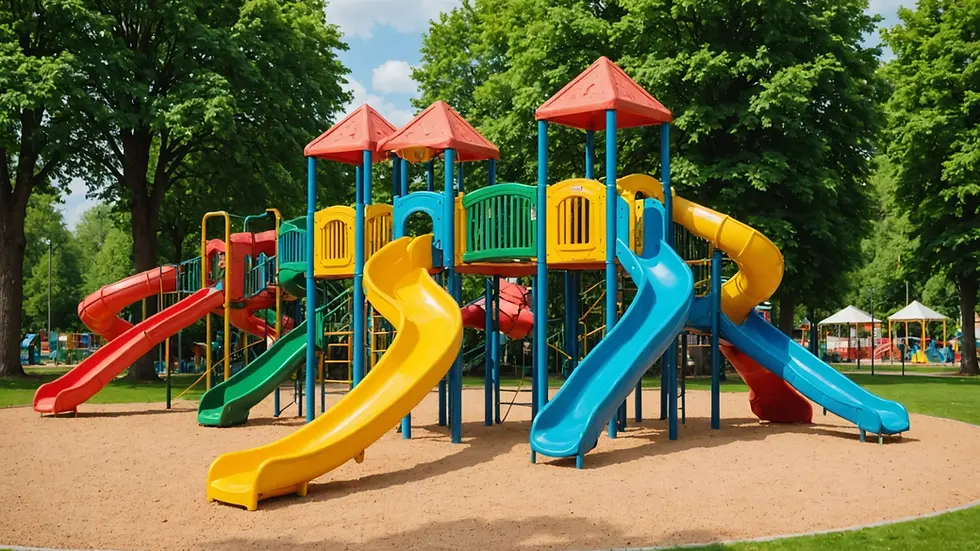
Outdoor spaces are perfect for high-energy activities. Consider installing climbing structures, open fields for running, or designated areas for games like soccer or tag. One study indicated that children with access to outdoor play areas scored 29% higher in physical fitness assessments than those with limited play options.
Indoor Play Stations
When outdoor space is restricted, indoor play stations can be a lifesaver. Set up areas with building blocks, art supplies, or sensory bins filled with rice or sand. Rotate materials every few weeks to maintain interest. Providing five distinct play setups can keep engagement levels high.
Structured Activities
While free play has its benefits, structured activities offer routine and focused tasks that can help manage energy. Look for activities that resonate with their interests and maintain their attention.
Sports and Games
Getting children involved in team sports channels energy into a structured environment. According to a survey, kids who participate in sports are about 20% more likely to report feeling confident and socially connected.
Arts and Crafts
Creative tasks—like drawing or crafting—allow high-energy children to express their feelings productively. Setting designated times for creative activities integrates structure into their playtime and can lead to improved emotional health.
Mindfulness Techniques
Implementing mindfulness practices can remarkably benefit high-energy kids. Techniques like deep breathing, yoga, and guided imagery can teach them how to manage their energy and develop self-control.
Breathing Exercises
Simple exercises, such as counting breaths, can help ground kids. Research shows that mindfulness practices can reduce symptoms of anxiety in children by about 40%, helping transform chaotic energy into calmness.
Movement-based Mindfulness
Engaging in activities that blend movement with mindfulness, such as kid-friendly yoga, addresses their physical energy while fostering emotional awareness. These practices can increase focus by up to 60% in children when integrated regularly.
Encouraging Social Interaction
High-energy kids often excel in social situations. Organizing playdates or group activities can channel their energy into productive socializing.
Group Games
Group games or cooperative challenges during playdates create opportunities for teamwork while allowing children to burn energy. Such engagements enhance social skills, which are critical for their overall development.
Team Projects
Organizing team projects, like building a model or planning an outdoor event, fosters creativity and collaboration. These activities teach vital lessons in negotiation, sharing, and listening—skills essential for lifelong success.
Monitoring Diet and Sleep
Finally, consider the external factors influencing energy levels.
Nutrition
A balanced diet is crucial for managing energy. Ensure high-energy kids consume plenty of proteins, fruits, vegetables, and whole grains. A study found that children who adhere to a balanced diet experienced 25% fewer mood swings compared to those with high sugar intake.
Sleep Routines
Restful sleep is vital, especially for energetic children. Establishing a consistent bedtime routine helps them wind down and promotes better sleep quality, which significantly impacts energy levels during the day.
Embracing the Journey
Managing high-energy kids calls for patience, creativity, and understanding. By providing structured play, mindfulness practices, and adapting to their needs, caregivers can foster a nurturing environment.
Play is not merely an escape; it's a vital pathway for growth and development. When you respect their energy through thoughtful strategies, it creates a richer experience for both the child and the caregiver.
Discovering the right balance is a journey filled with exploration and understanding. By valuing the power of play, you can gracefully navigate the challenges that come with managing high-energy kids.


Comments